

Vietnam Beyond the Bucket List
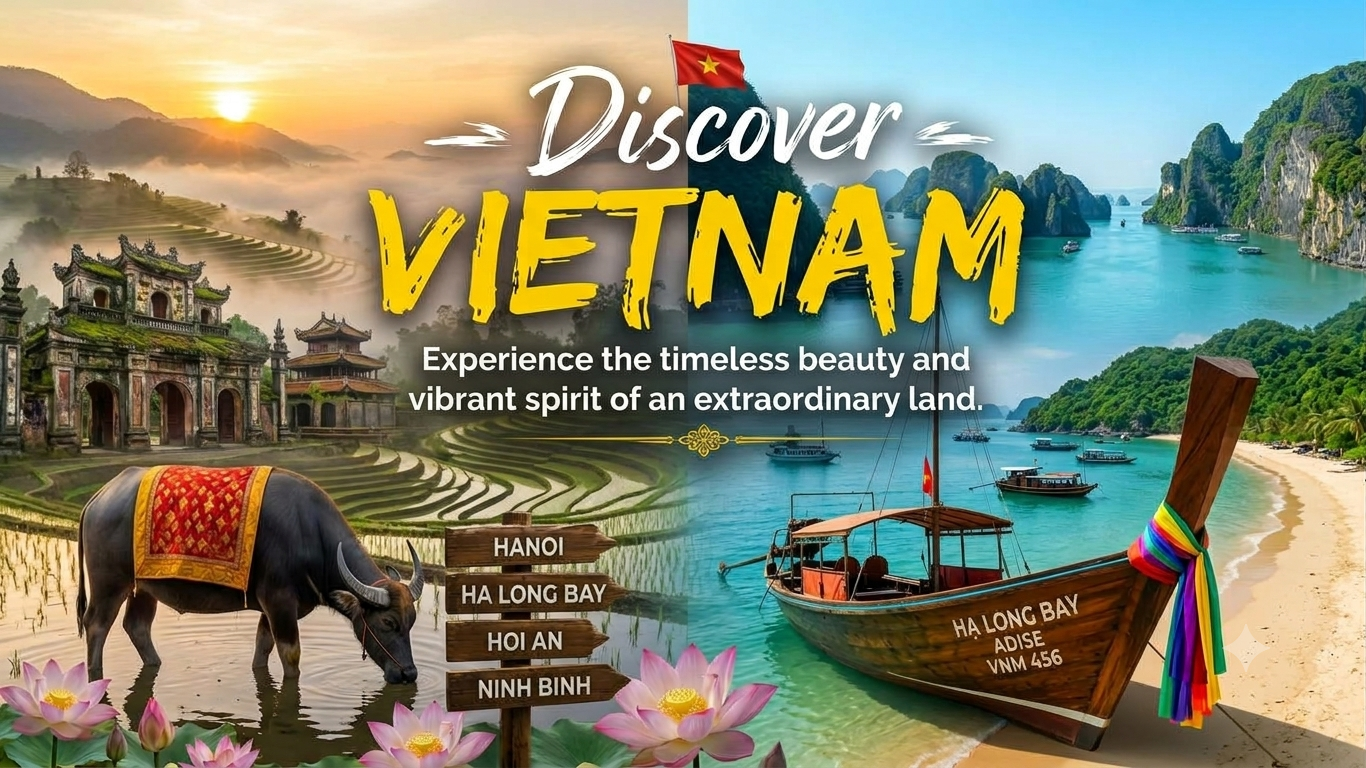
Vietnam is the kind of destination that keeps changing as you travel through it.
One day, you might be sitting on a tiny plastic stool in Hanoi with a steaming bowl of pho in front of you. A few days later, you’re cruising between limestone islands in Halong Bay, cycling through rice fields near Hoi An, or watching the sun disappear over the Mekong Delta.
And somewhere along the way, you realise that Vietnam isn’t just about beautiful places.
It is about street sounds, strong coffee, family-run restaurants, ancient towns, dramatic landscapes, warm conversations and the little moments between the big attractions.
For MargaSutra, that’s what makes Vietnam so special. Rather than simply moving from one sightseeing point to another, we believe a Vietnam journey should give you time to experience the country.
So, if you’re planning your first trip—or thinking about returning—here’s our guide to experiencing Vietnam beyond the postcard.
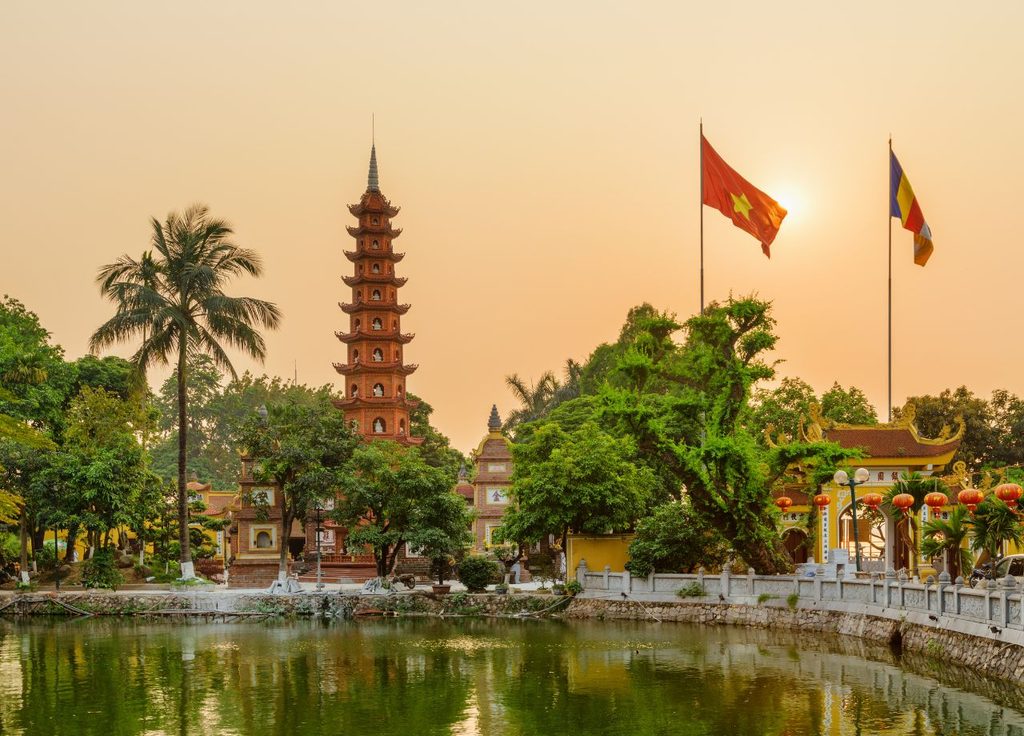
Hanoi: Start With the Soul of Vietnam
Hanoi is a city that rewards curiosity.
Its Old Quarter is a wonderful place to begin. Narrow streets, colourful shopfronts, cafés, markets and street-food stalls create an atmosphere that can feel wonderfully chaotic at first.
But give it a little time and the rhythm starts to make sense.
Explore Hoan Kiem Lake, wander through the Old Quarter, visit the Temple of Literature and discover the city’s French-colonial architecture. Then do something much simpler—sit at a café and watch Hanoi happen around you.
And don’t leave without trying Vietnamese coffee.
Whether you prefer traditional cà phê sữa đá or the famous egg coffee, coffee in Vietnam is an experience in itself.
Best for: Culture, food, history, architecture, cafés and city exploration.
Halong Bay: Let the Landscape Do the Talking
There are places where you don’t need much of an itinerary.
Halong Bay is one of them.
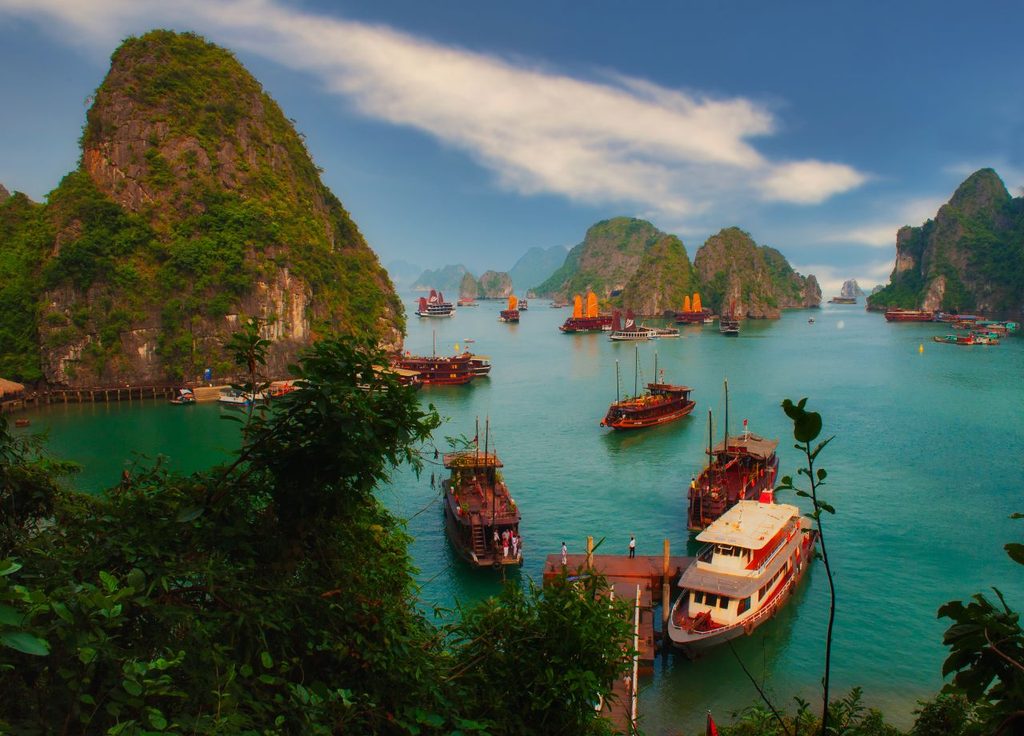
Its famous limestone islands rising from emerald-green waters create one of Vietnam’s most recognisable landscapes. UNESCO describes Halong Bay–Cat Ba Archipelago as an exceptional seascape of limestone islands and islets shaped by geological processes over millions of years.
The best way to experience it is not to rush through it.
A cruise allows you to slow down, watch the landscape change and enjoy the bay from the water. Depending on your cruise and conditions, you may have opportunities for kayaking, cave visits and other activities.
For a luxury journey, consider spending a night on a carefully selected cruise rather than treating Halong Bay as simply a day excursion.
Best for: Couples, photography, cruises, nature and luxury escapes.
Hoi An: Where Vietnam Slows Down
If there is one place in Vietnam where you should resist rushing, it is Hoi An.
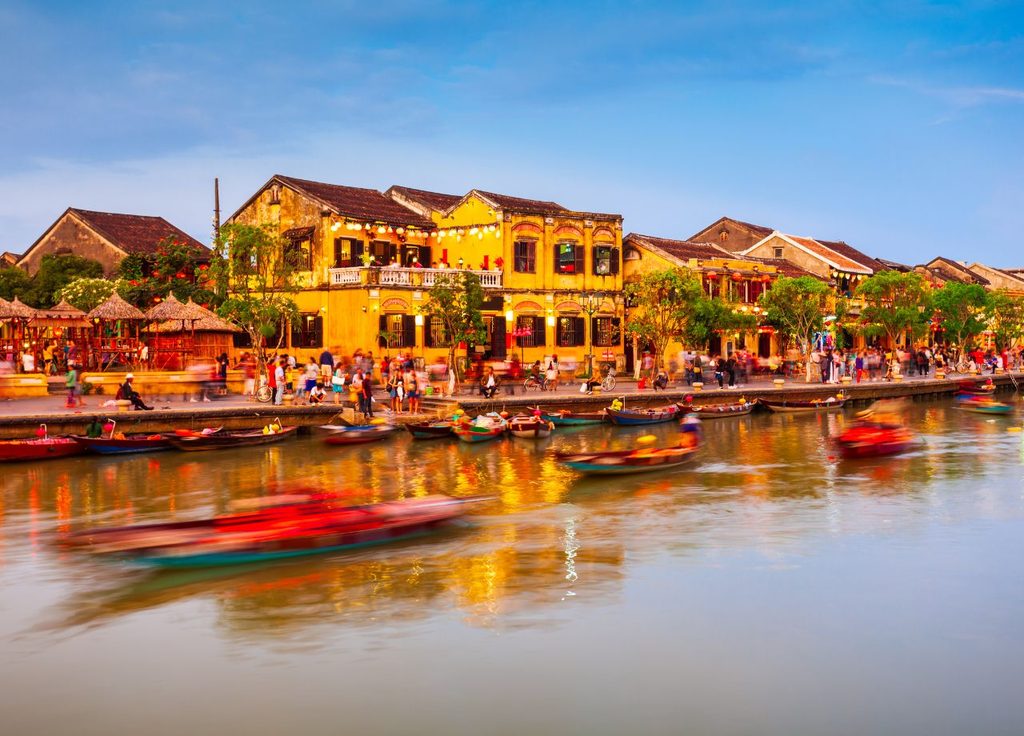
The ancient town is known for its preserved architecture, colourful lanterns, riverside atmosphere and distinctive cultural heritage. UNESCO recognises Hoi An Ancient Town as an outstanding example of a Southeast Asian trading port.
Walk through the old streets during the day and return after sunset when the lanterns transform the atmosphere.
But Hoi An isn’t only about the old town.
Spend time in the surrounding countryside, explore local food, visit craft villages or simply enjoy a slow afternoon at a beautiful resort.
And yes, if you have always wanted a tailor-made outfit, Hoi An is a great place to consider having something made.
Best for: Culture, romance, food, photography, shopping and slow travel.
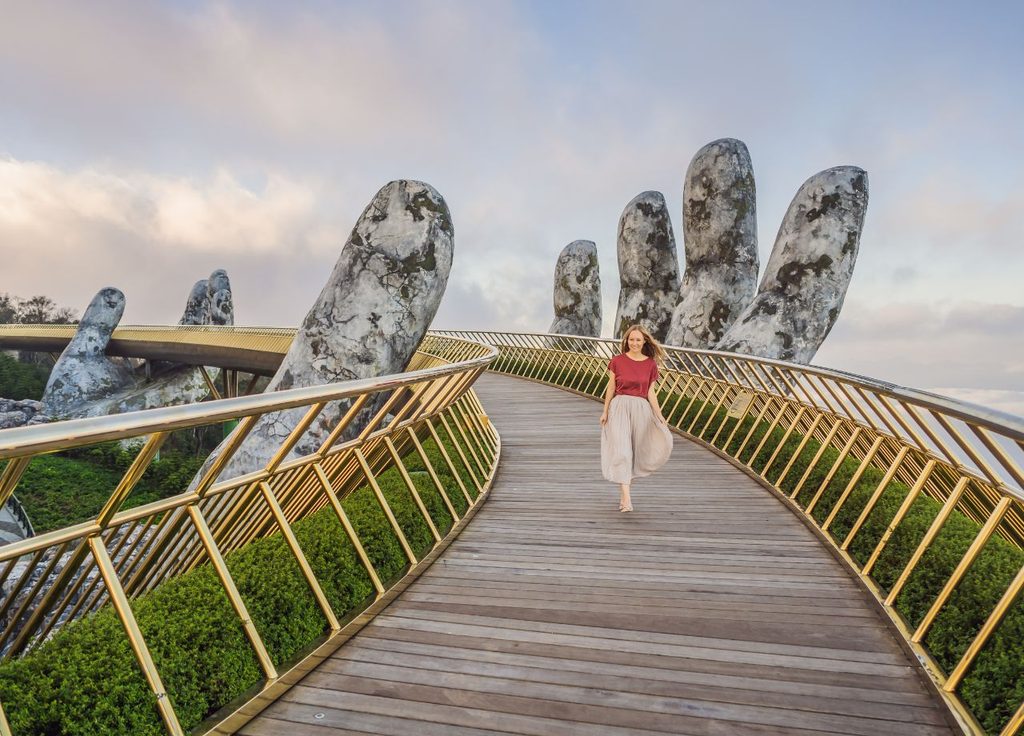
Da Nang: Beaches With a Side of Adventure
Da Nang brings together something travellers don’t always expect from a major Vietnamese city—beautiful beaches and easy access to nature.
Spend time along My Khe Beach, explore the Marble Mountains, visit the Son Tra Peninsula, or use Da Nang as a comfortable base for exploring central Vietnam.
The city is also particularly convenient when combined with Hoi An.
You can have a relaxed beach morning, explore cultural sites in the afternoon and enjoy Vietnamese cuisine in the evening.
For travellers who prefer a little more luxury, Da Nang also has a strong selection of high-end beachfront resorts.
Best for: Beaches, resorts, families, couples and central Vietnam itineraries.
Ho Chi Minh City: Vietnam at Full Speed
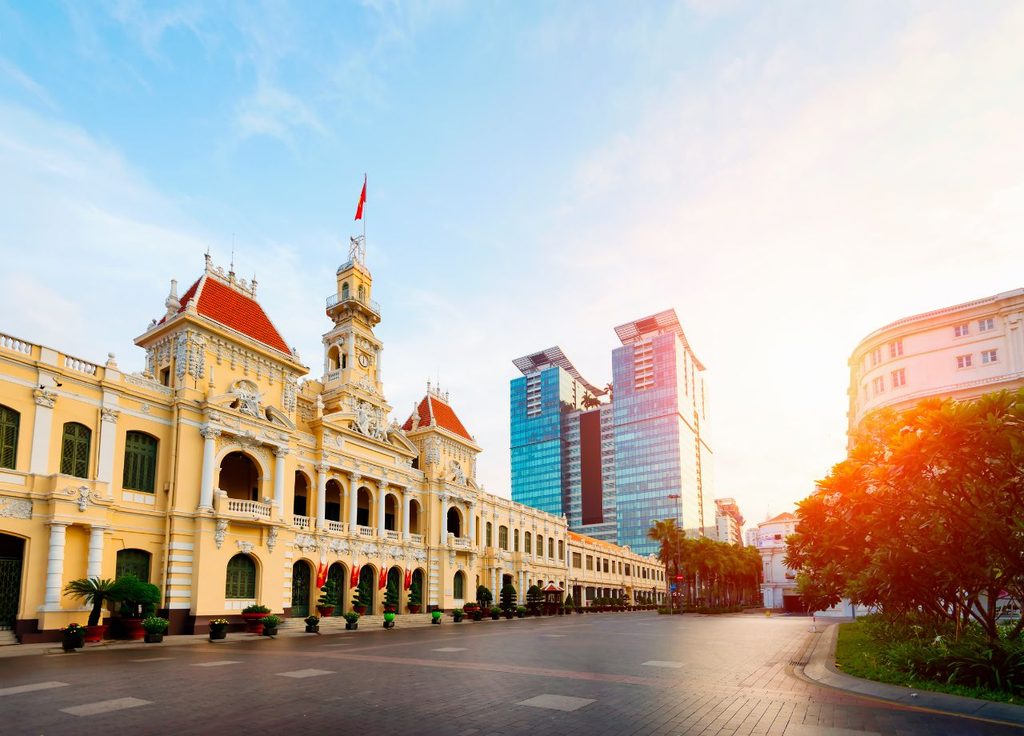
If Hanoi feels traditional and atmospheric, Ho Chi Minh City feels energetic and constantly moving.
The city is packed with restaurants, cafés, markets, museums, rooftop bars and shopping streets.
Explore landmarks such as the War Remnants Museum, Independence Palace, Notre-Dame Cathedral area and Ben Thanh Market, while also making time to simply wander.
Food deserves serious attention here.
From bánh mì and pho to fresh spring rolls and southern Vietnamese specialities, Ho Chi Minh City is a fantastic destination for travellers who enjoy eating their way through a place.
And when evening arrives, the city changes again.
Rooftop views, cocktail bars, night markets and lively streets make it a completely different experience after dark.
Best for: Food, history, nightlife, shopping and urban experiences.
The Mekong Delta: See a Different Side of Vietnam
For a change of pace, head south towards the Mekong Delta.
Life here revolves heavily around the river, agriculture and local communities. You can explore waterways, visit local markets, discover small villages and see how products and food are produced locally.
Rather than simply photographing the scenery, try to understand the everyday life of the region.
A local guide can make the experience much richer by explaining the traditions, food and communities you encounter.
The Mekong Delta is particularly worthwhile for travellers who want to see a Vietnam that feels different from its major cities.
Best for: Local experiences, nature, photography, food and cultural exploration.
What Should You Eat in Vietnam?
You could easily plan an entire Vietnam trip around food.
Start with the classics:
- Pho – comforting noodle soup with fragrant broth.
- Banh Mi – the iconic Vietnamese sandwich.
- Bun Cha – grilled pork served with noodles, herbs and dipping sauce.
- Cao Lau – a Hoi An speciality.
- Fresh Spring Rolls – light, fresh and perfect for warm weather.
- Vietnamese Coffee – strong, rich and often wonderfully sweet.
But don’t restrict yourself to famous dishes.
Ask your guide or hotel team where locals eat. Visit markets. Try regional dishes. And don’t be afraid of small restaurants simply because they don’t look like the restaurants you’re used to.
Sometimes the smallest place serves the meal you’ll remember longest.
Things to Keep in Mind When Visiting Vietnam
A little preparation will make your journey much more enjoyable.
1. Vietnam is bigger than it looks
Trying to cover Hanoi, Halong Bay, Hoi An, Da Nang, Ho Chi Minh City and the Mekong Delta in a few days can leave you spending more time travelling than experiencing.
Give each region enough time.
2. Plan around regional weather
Vietnam has different weather patterns across the north, central and southern regions. Your ideal travel period can therefore depend on which destinations you are visiting.
Before finalising your itinerary, check the seasonal conditions for the specific regions you’re travelling through.
3. Comfortable shoes are essential
Vietnam involves plenty of walking—from Hanoi’s Old Quarter to Hoi An’s historic streets and local markets.
Bring shoes that are comfortable enough for a full day of exploring.
4. Dress respectfully at cultural sites
When visiting temples, pagodas and religious sites, modest clothing is appreciated. Carrying a light scarf or cover-up can be useful.
5. Crossing the road is an experience
Vietnamese cities can have busy traffic, particularly Hanoi and Ho Chi Minh City.
Take your time, watch the traffic carefully and follow the guidance of locals or your guide.
6. Keep some Vietnamese cash with you
Cards are widely accepted at hotels and many established businesses, but smaller restaurants, markets and local shops may still prefer cash.
7. Don’t over-plan
Vietnam has plenty to see, but some of the best experiences happen when you have enough time to wander.
Leave gaps in your itinerary.
Have coffee.
Explore a street without a specific destination.
Stop for lunch because something smells amazing.
That’s travel too.
How MargaSutra Can Design Your Vietnam Journey
Vietnam works beautifully for different styles of travel.
A couple might choose Hanoi, Halong Bay and Hoi An for a romantic escape.
A family could combine Da Nang, Hoi An and Ho Chi Minh City with comfortable stays and carefully paced sightseeing.
Luxury travellers might prefer private transfers, exceptional resorts, curated dining and exclusive experiences.
Corporate groups and incentive travellers can explore Vietnam through MICE experiences, combining meetings and events with food, culture, entertainment and local experiences.
And for travellers who have already seen the famous highlights, we can take the journey further—with offbeat experiences, local encounters and destinations beyond the usual itinerary.
That’s the MargaSutra approach.
We don’t believe every traveller should follow the same route.
Your interests should shape the journey—not the other way around.
Vietnam Is More Than a Destination
Vietnam is a country best remembered through moments.
The first sip of Vietnamese coffee in Hanoi.
Lanterns glowing in Hoi An.
A quiet morning on Halong Bay.
A bowl of noodles from a tiny local restaurant.
The sound of scooters passing through a city street.
A sunset over the Mekong.
These are the details that turn a holiday into a story.
MargaSutra creates journeys around those stories.
Whether you’re looking for luxury, culture, food, adventure, MICE experiences or simply a beautiful escape, Vietnam has plenty waiting beyond the obvious.
Vietnam is ready. Where will your story begin?
Explore Vietnam with MargaSutra — and travel beyond the ordinary.